Mexico is home to some of the most colourful and vibrant festivals in the world. These celebrations are an important part of Mexican culture, combining indigenous traditions with modern elements to create unique and unforgettable experiences.
Day of the Dead: Honouring the Departed
One of the most well-known Mexican festivals is the Day of the Dead (Día de los Muertos), which takes place on November 1st and 2nd. This holiday is dedicated to remembering and celebrating loved ones who have passed away. While it may seem morbid, the Day of the Dead is a joyful occasion filled with music, dance, and offerings.
Key Symbols of the Day of the Dead
During this festival, you’ll see:
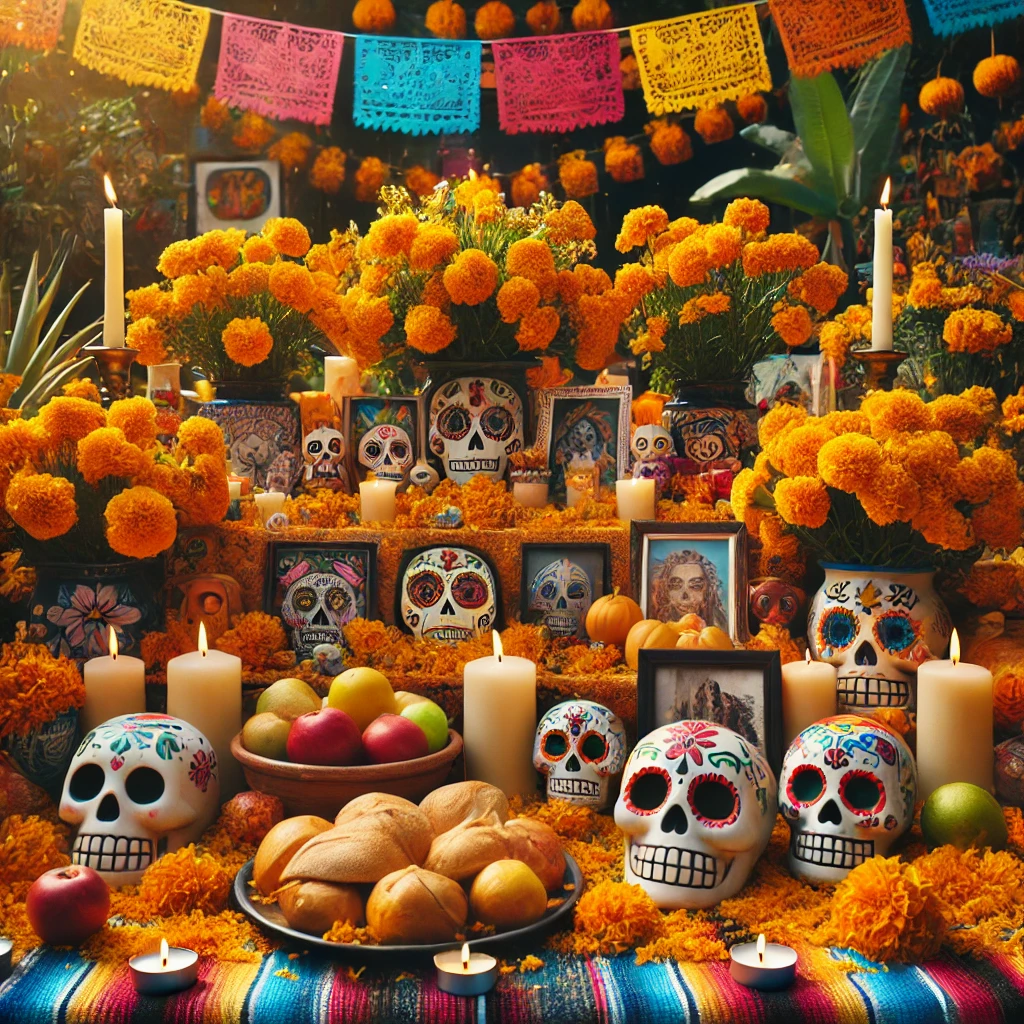
- Sugar Skulls (Calaveras): These decorative skulls are a symbol of death, but also a celebration of life.
- Marigolds (Cempasúchil): These bright orange flowers are used to guide spirits back to their families.
- Ofrendas: Altars with food, drinks, and photos to honour the dead.
Carnaval: Mexico’s Biggest Party
Taking place just before Lent, Carnaval is a time of celebration, feasting, and parades. In cities like Mazatlán and Veracruz, you’ll find extravagant costumes, lively music, and street parties that last for days.
The Roots of Mexican Carnaval
Carnaval has deep roots in Mexican culture, influenced by both indigenous and European traditions. It’s a time to let loose before the solemnity of Lent begins, making it one of the most joyous events in the Mexican calendar.
From the solemn beauty of the Day of the Dead to the wild exuberance of Carnaval, Mexican festivals are a window into the heart of the country’s culture. Each celebration offers a unique perspective on how Mexicans view life, death, and everything in between.